Dr. Roopesh Orthopaedic Care With a Patient-First Approach
At Roopesh Ortho Care, every patient is evaluated individually to understand the cause of pain, limitation of movement and functional difficulty before recommending a treatment plan.
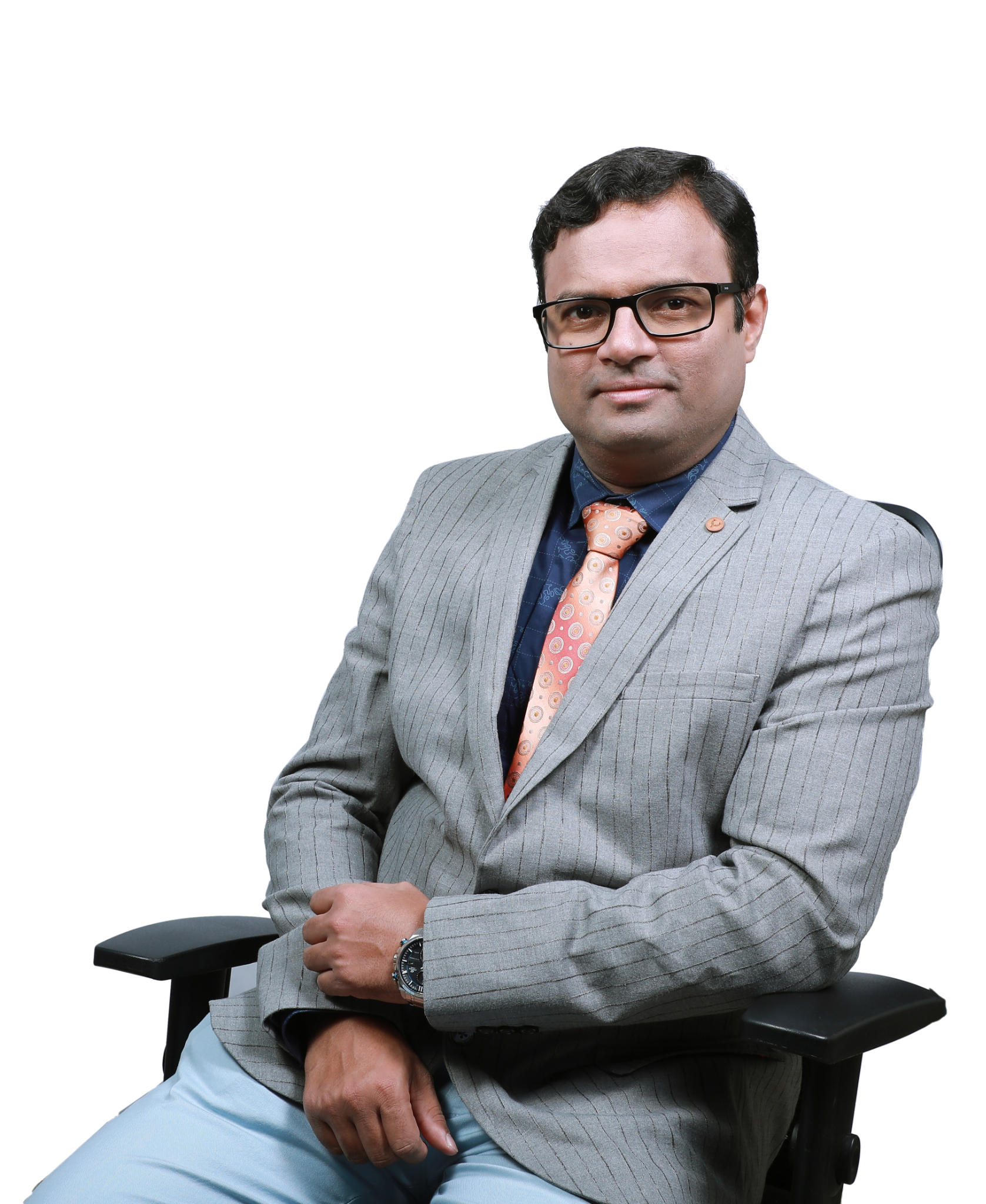
Who is Dr. Roopesh?
Dr. Roopesh is an orthopaedic specialist providing evaluation and treatment for a range of musculoskeletal conditions involving the knee, hip, shoulder, sports injuries and other orthopaedic problems.
His approach focuses on understanding the patient's symptoms, identifying the underlying problem and selecting an appropriate treatment pathway based on the individual's condition, activity level and goals.
Treating the Patient, Not Just the Scan
Orthopaedic problems can affect much more than a particular joint. Pain can change the way a person walks, works, exercises, sleeps and performs everyday activities.
A comprehensive orthopaedic assessment therefore considers symptoms, physical examination, lifestyle, activity requirements and imaging findings together.
At Roopesh Ortho Care, the aim is to explain the condition clearly and help patients understand their treatment options before making decisions about their care.
Detailed clinical assessment
Clear explanation of treatment options
Focus on restoring movement and function
Patient-centred treatment planning
Areas of Clinical Expertise
Orthopaedic care covers a wide range of conditions. The appropriate treatment depends on the affected joint, severity of the condition, symptoms and individual patient requirements.
Knee Conditions
Evaluation and management of knee pain, osteoarthritis, meniscus problems and other knee conditions.
Explore Knee Care →Hip Conditions
Assessment and treatment of hip pain, arthritis, movement problems and selected hip disorders.
Explore Hip Care →Shoulder Conditions
Care for shoulder pain, stiffness, instability, rotator cuff problems and related conditions.
Explore Shoulder Care →Sports Injuries
Evaluation and management of common sports and activity-related musculoskeletal injuries.
Explore Sports Injury Care →Joint Replacement
Assessment of selected patients who may require knee or hip joint replacement.
Explore Joint Replacement →Spine & Back Problems
Evaluation of selected musculoskeletal conditions affecting the back and spine.
Explore Spine Care →A Structured Approach to Orthopaedic Care
Good orthopaedic care starts with understanding the problem. Treatment is then planned according to the patient's condition and goals.
Listen & Understand
Understanding where the pain started, what makes it worse and how it affects everyday life.
Examine & Diagnose
A clinical examination and appropriate investigations help identify the underlying condition.
Explain the Options
Patients are guided through relevant treatment options, including non-surgical and surgical approaches when appropriate.
Plan for Recovery
Treatment is focused not only on managing symptoms but also on restoring movement and function.
Orthopaedic Conditions We Can Evaluate
Knee Osteoarthritis
Degenerative changes affecting the knee joint.
Learn More → 02Meniscus Injuries
Injuries affecting the cartilage within the knee.
Learn More → 03Frozen Shoulder
Shoulder stiffness and restricted movement.
Learn More → 04Rotator Cuff Tears
Injuries involving the shoulder's rotator cuff.
Learn More → 05Shoulder Instability
Recurrent or persistent instability of the shoulder.
Learn More → 06Hip Osteoarthritis
Degenerative changes affecting the hip joint.
Learn More →Care Built Around Your Recovery
Clear Communication
Understand your condition and treatment options through clear, patient-friendly explanations.
Personalised Planning
Treatment decisions are made according to the patient's symptoms, condition and functional goals.
Conservative Care When Appropriate
Not every orthopaedic problem requires surgery. Non-surgical options may be considered whenever clinically appropriate.
Function-Focused Treatment
The objective is to help patients improve movement, function and their ability to return to appropriate activities.
Questions Patients Often Ask
What does an orthopaedic doctor treat? +
Orthopaedic doctors evaluate and treat conditions affecting the musculoskeletal system, including bones, joints, muscles, ligaments, tendons and related structures. Treatment may involve non-surgical care, rehabilitation or surgery depending on the condition.
When should I see an orthopaedic specialist? +
Consider an orthopaedic consultation if you have persistent joint or bone pain, difficulty moving a joint, recurring sports injuries, swelling, stiffness or symptoms that interfere with normal activities.
Does every orthopaedic problem require surgery? +
No. Many orthopaedic conditions can be managed using non-surgical approaches such as activity modification, physiotherapy, medication or other appropriate treatments. Surgery is considered when clinically indicated.
What happens during an orthopaedic consultation? +
A consultation generally includes discussion of symptoms and medical history, physical examination and, when appropriate, review or recommendation of diagnostic imaging or other investigations.
Can I consult an orthopaedic doctor for knee pain? +
Yes. Persistent knee pain can have several causes, including osteoarthritis, meniscus injuries, ligament problems and other conditions. An orthopaedic assessment can help identify the likely cause and appropriate treatment options.
How can I book an appointment with Dr. Roopesh? +
You can use the appointment page to request a consultation or contact Roopesh Ortho Care directly through the available contact options.
Don't Let Joint Pain Limit Your Life
Get your symptoms evaluated and understand the treatment options that may be appropriate for you.